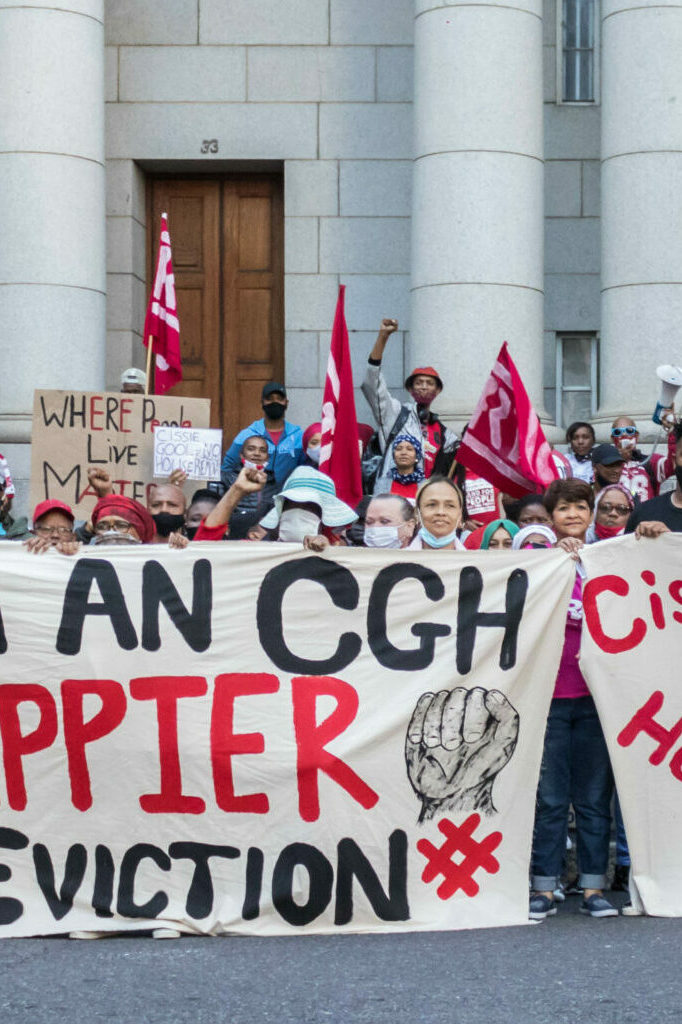
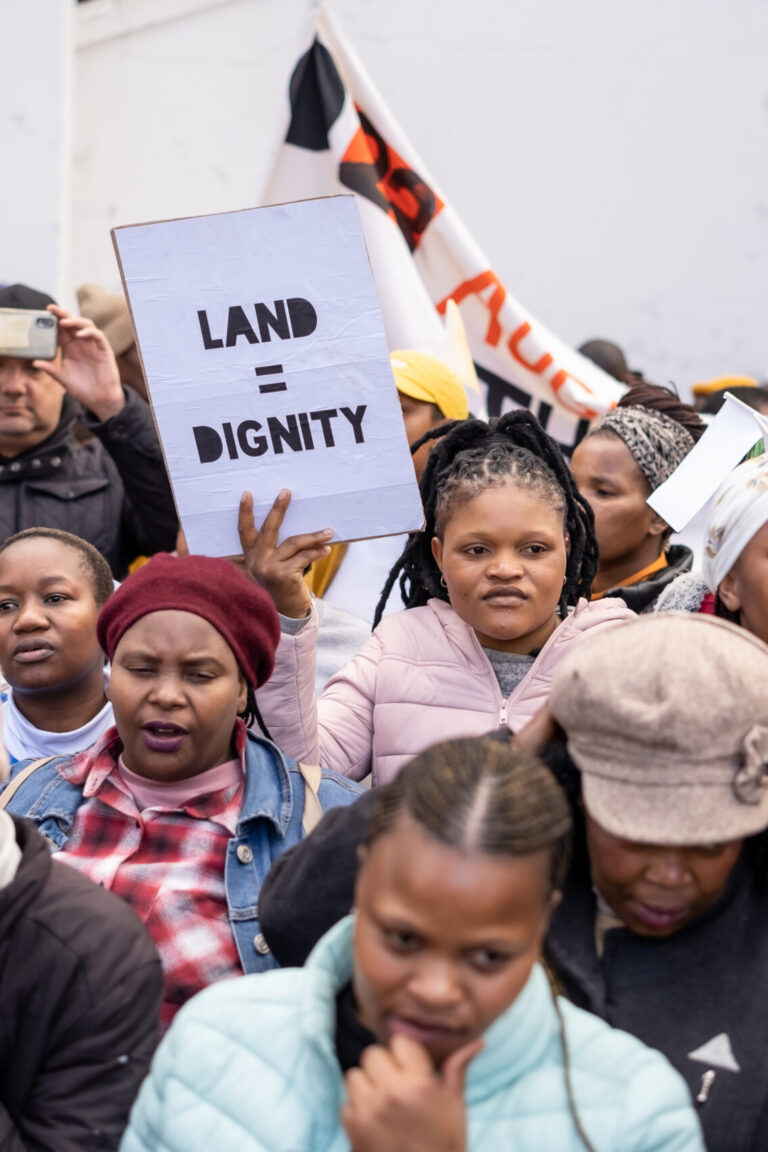
The need to address land deprivation, dispossession and the unequal distribution of land through broadened access to land and dignified homes was, and remains, one of the post-apartheid democratic government’s most significant mandates. However, not enough has been done to prioritise the constitutional imperative to accelerate urban land reform in a way that will meaningfully advance related, intersecting constitutional rights to access adequate housing, healthcare, education and safety, as well as the right to dignity and the right to equality.
Where one lives in the city matters, and yet, nowhere is urban land injustice and spatial inequality more visible than in Cape Town. Almost thirty years after the end of apartheid, Cape Town remains the most spatially divided city in South Africa and represents two disparate worlds – in one, easy access to employment and state assisted services abounds, and isolation and desperation permeate throughout the other.
While this spatial inequality has its origin in the colonial and apartheid eras, the legacy of racial and spatially segregated residential settlements is reinforced and reproduced by features of Cape Town’s contemporary urban land and housing crisis. These features include exclusionary market-centred approaches to accessing land; the state’s inability to address the increasing housing backlog; and building housing on the periphery for the urban poor. Existing social and spatial inequalities have been exacerbated by the economic fall-out in the wake of the COVID-19 pandemic.
The need to advance urban land justice and practically promote redress, substantive equality and collective healing through broadened access to land remains central to addressing the deepening crisis of inequality. Ultimately, access to land on an equitable basis is part and parcel of the right to equality, with landlessness, continued tenure insecurity and heightened housing vulnerabilities as proxies for inequality.
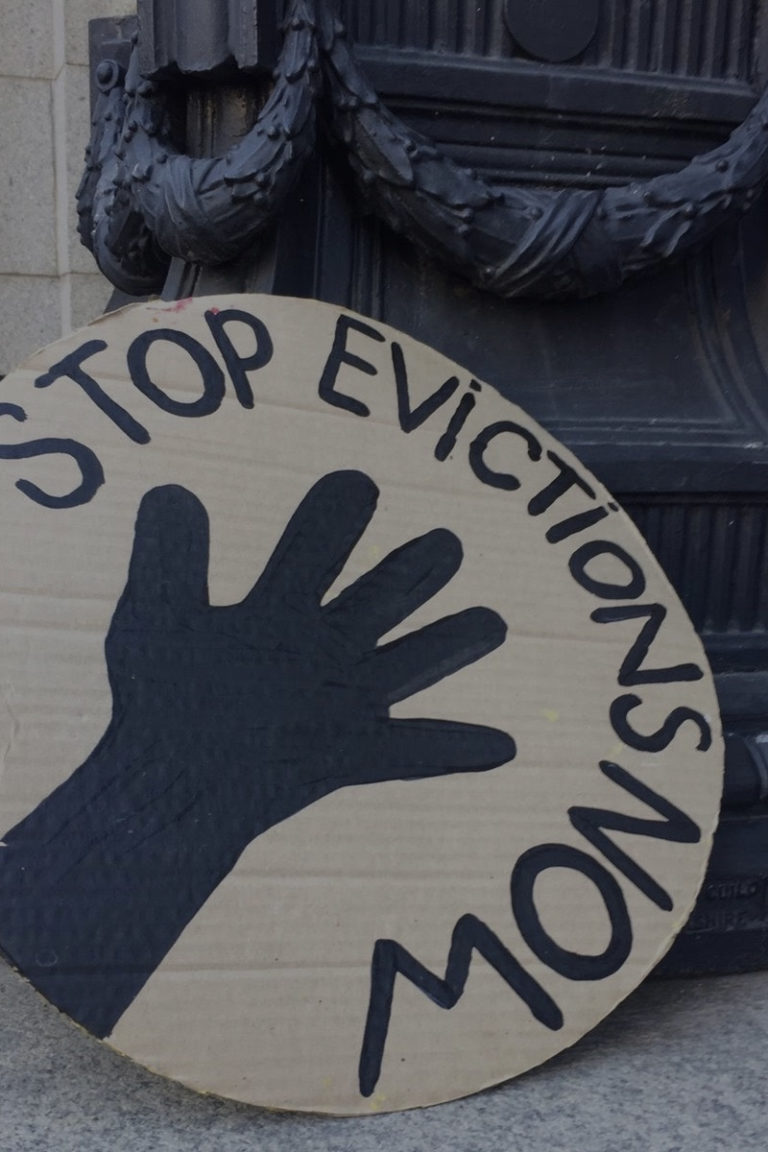
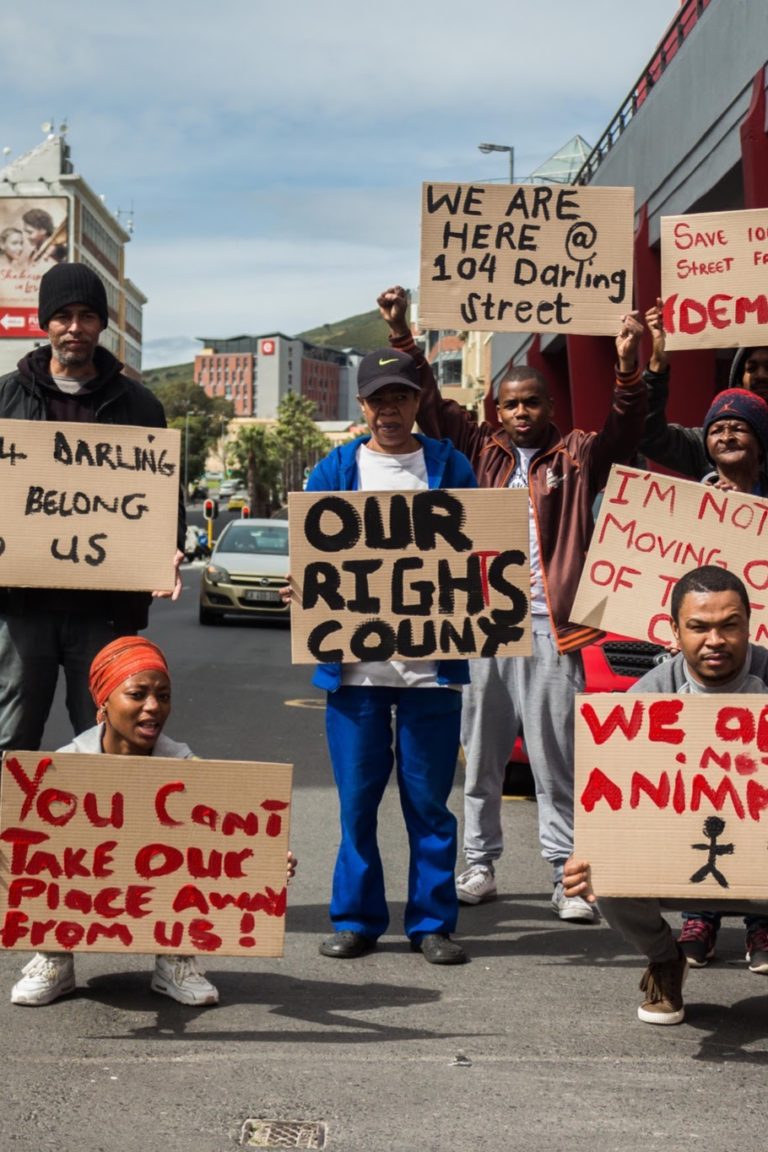
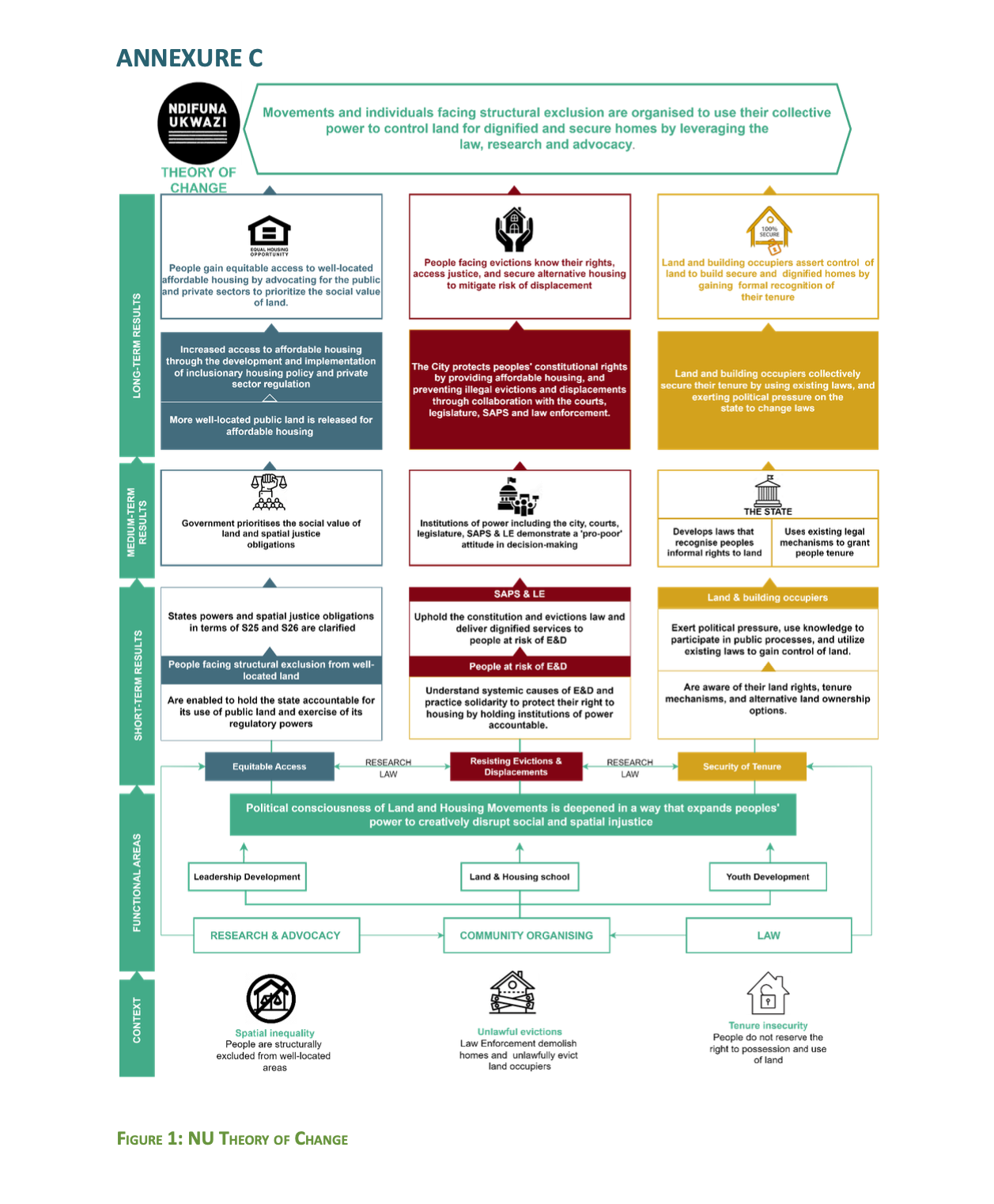
Our work responds to the enduring legacy of racial, economic and spatial inequality in cities, which for Ndifuna Ukwazi, entails disrupting the reproduction of spatial apartheid and segregation through: compelling government to meet its constitutional obligations to use land to provide affordable housing; challenging the private sector to contribute to delivering affordable housing; defending the rights and security of tenure of people who are being forced out of their homes and displaced because of rising rents, gentrification, unfair rental practices and in some instances, because of devastating and violent state-led evictions and demolitions of homes; and protecting the rights of people living on the streets.